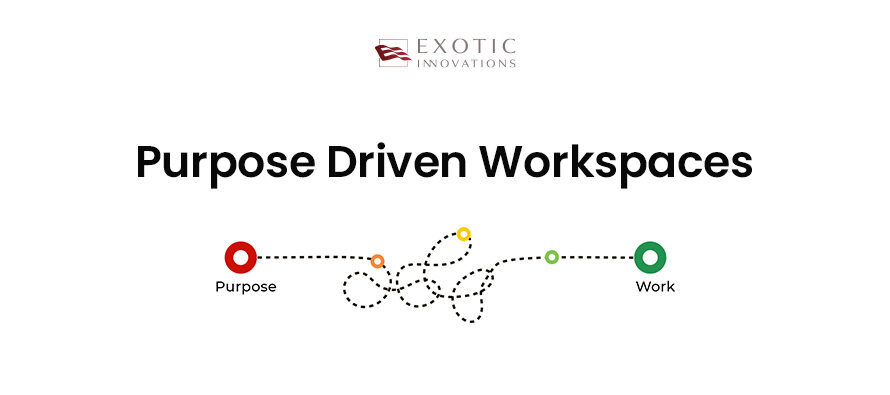
For decades, workplaces were designed around efficiency alone. Rows of desks, rigid layouts, and formal meeting rooms became the standard formula for productivity. But the modern workforce no longer responds to environments that feel mechanical or restrictive.
Today, the most successful workplaces are shifting away from traditional office experiences and moving toward environments that feel more intuitive, comfortable, and human.
The future office is no longer defined by how many desks fit into a floor plate. It is defined by how people feel, move, collaborate, and perform within the space.
The Shift from Functional to Experiential Workspaces
Modern employees expect more from the workplace than just functionality. After years of hybrid work culture and evolving professional habits, offices are now expected to provide experiences that employees cannot replicate at home.
This has changed the role of workplace design entirely.
Instead of creating spaces people are required to work in, organisations are now investing in environments people genuinely want to be in.
Comfort, movement, flexibility, and emotional connection have become essential components of workplace strategy.
Why Hospitality is Influencing Workplace Design
One of the biggest shifts in workplace interiors is the growing influence of hospitality design principles.
Lounges are replacing rigid waiting areas. Café-inspired breakout spaces are encouraging informal collaboration. Softer textures, warm lighting, greenery, and residential-style furniture are creating environments that feel welcoming rather than institutional.
This design evolution is not simply aesthetic. It directly impacts how employees engage with their surroundings.
When people feel comfortable within a space, communication becomes more natural, creativity improves, and workplace stress begins to reduce.
Designing Around Human Behaviour
High-performing offices are no longer designed around departments alone. They are designed around behaviour.
Some employees require quiet focus for deep work. Others thrive in collaborative environments. Certain tasks demand privacy, while others benefit from spontaneous interaction.
A modern workplace must support all of these working styles simultaneously.
This is where intelligent zoning becomes critical.
Focus pods, collaborative hubs, social breakout areas, informal meeting corners, and flexible workstations together create an ecosystem that adapts to people instead of forcing people to adapt to the space.
Movement Creates Energy
One of the most overlooked elements in workplace design is movement.
Static environments often lead to mental fatigue and disengagement. In contrast, workplaces designed with fluid circulation naturally encourage interaction, exploration, and collaboration throughout the day.
Strategic pathways, interconnected zones, transitional spaces, and open visual connectivity help offices feel dynamic and alive.
The result is a workplace that continuously supports energy, engagement, and productivity without overwhelming employees.
The Role of Design & Build Integration
Creating experience-driven workplaces requires more than strong concepts. Execution plays an equally important role.
Lighting placement, material selection, acoustic performance, furniture integration, and circulation planning must work together seamlessly to preserve the intended employee experience.
At Exotic Innovations, we believe successful workplace environments are created when strategy, design, and execution function as one integrated system.
Because a workplace should not only look modern. It should perform meaningfully for the people using it every day.
Final Thought
The offices of the future will not succeed because they look impressive. They will succeed because they make people feel supported, focused, connected, and inspired.
The most productive workplaces are no longer designed like offices.
They are designed around people.