Human-Centric Workplace Design: Designing Workspaces Around People
The workplace of today is changing quickly. Organizations are now aware that workplaces are more than just physical spaces. They are also environments which influence collaboration, productivity, as well as the overall wellbeing of employees. This has led to the concept of a human-centric workplace to the top of the corporate interior design agenda.
Instead of focusing on the aesthetics of space or efficiency, the design of workplaces that are human-focused concentrates on how employees work. It takes into account employee behaviour and movement patterns, as well as co-worker comfort and needs, to design work environments that enhance performance in everyday life.
If workplaces are designed to accommodate people, rather than layouts and designs alone, these spaces inspire creativity, focus, and meaningful interactions.
Understanding Human-Centric Workplace Design
In essence, human-centric workplace design is about integrating the workplace environment to the requirements of employees. It focuses on creating workplaces which increase productivity while helping to improve physical and mental health.
This process begins by analysing how teams work within an organisation. How do employees collaborate? Where do they require quiet areas to concentrate? How often do teams meet or interact? These data can help designers design workplaces that mirror real workplace patterns.
Through the integration of workplace strategies and plans organizations can go beyond traditional office layouts to create a dynamic environment that supports different types of work.
Designing for Focus and Collaboration
One of the fundamental principles in the human-centric design of workplaces is to balance collaboration and concentration. Although open workplaces encourage collaboration, they can also hinder concentration when not planned carefully.
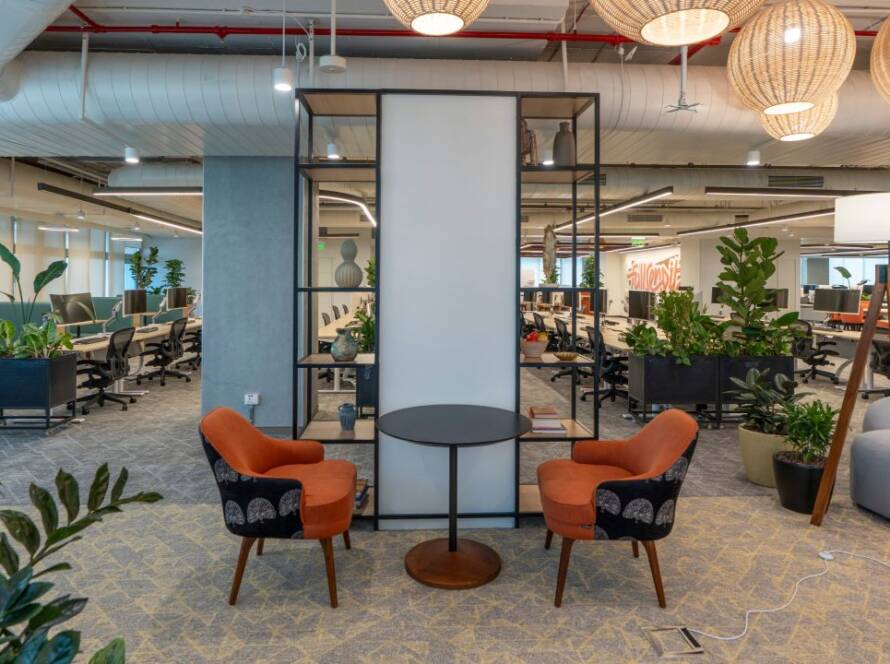
Innovative office design for corporate incorporates spatial zones to solve the issue. The quiet zones offer employees a space to work in, and areas for collaboration let teams discuss ideas and collaborate freely.
Spaces for breakouts, meeting rooms and seating areas for informal gatherings are carefully placed to facilitate communications without disrupting work zones. This balance makes sure employees have the freedom to select the setting which best suits their needs.
Movement and Workplace Circulation
Another crucial aspect that is crucial to the design of workplaces that are human-centric is planning circulation. Moving around in an office directly affects how employees move between meeting rooms, workstations and other collaborative spaces.
An organized layout for circulation in the workplace minimizes interruptions that are unnecessary and helps to improve the flow of everyday working activities. The clear pathways, the clear zoning and intuitive layouts make workplaces simpler to navigate and more enjoyable to work in.
When movement is carefully integrated into workplace plans, employees feel less friction throughout the day, and that results in greater productivity and overall satisfaction.
Comfort, Lighting, and Wellbeing
The well-being of employees plays an important part in the design of workplaces that are human-centric. Things like ergonomics, lighting and acoustics, as well as the choice of materials, can affect the way people feel about a workplace.
Natural light enhances mood and concentration, whereas ergonomic furniture can help you feel more comfortable when working for long periods of time. Acoustic treatments can help reduce the level of noise, particularly in open-office environments.
By integrating these aspects into the design of corporate interiors, companies can create spaces that are relaxed and balanced. They also provide the right environment towards productive and efficient work.
The Role of Design & Build Execution
Though thoughtfully designed design and thinking are important, the success of the design of a human-centred workplace relies on the execution of the design. Transforming design ideas into practical spaces requires collaboration between engineers, design teams and execution experts.
By implementing the use of an integrative plan and construct process organizations ensure that workplace plans are effectively implemented throughout construction. Materials, lighting systems and spatial layouts need to be executed exactly as planned in order to preserve their integrity. layout.
Execution discipline safeguards the human-centric concepts embedded in the design and helps ensure that workplaces function effectively for a long time after their completion.
Why Human-Centric Workplaces Matter
Organizations are increasingly aware that the design of their workplace directly affects the performance of their business. If employees feel relaxed and supported in their surroundings, they tend to collaborate more effectively and stay fully engaged.
The human-centred design of workplaces helps to foster a culture of organization. Spaces that foster interactions and communication improve relationships between teams as well as promote an atmosphere of belonging.
Furthermore, workplaces built around people are more likely to remain more relevant for a longer period of time. Flexible layouts, flexible meeting rooms, and an intelligent infrastructure enable organizations to change their spaces as teams grow and work habits shift.
Conclusion
Workplace design’s next phase is in the creation of environments that benefit the people who are using them. Human-centered work environment style is shifting the attention away from only space-based spaces, to the experiences of the employees who use those spaces.
Through combining a thoughtful work strategy with a plan and implementing smart company workplace designs and well-organized construction and design, organizations can create workplaces that boost productivity and collaboration as well as overall wellbeing.
In the end, workplaces that are successful do not have to be defined by aesthetics only. They are measured by the extent to which they help those who work in their walls every day.