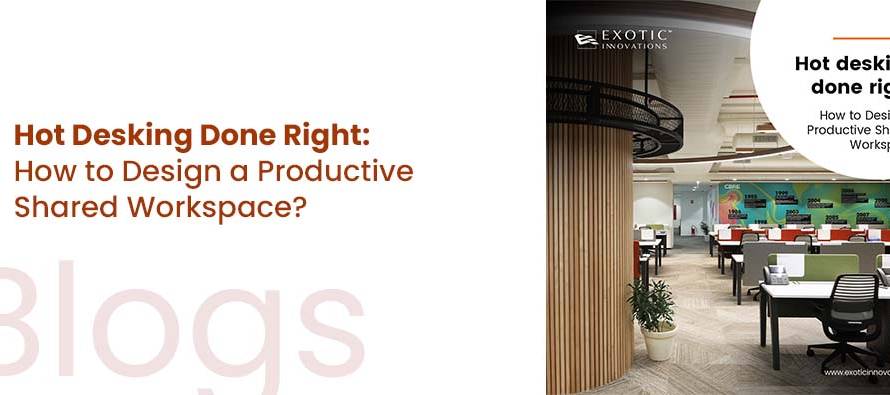
The world of work has undergone a seismic shift. The traditional 9-to-5, five-day-a-week office model, once the undisputed norm, has given way to something more flexible and human-centric: the hybrid work model. This isn’t just a trend; it’s a fundamental re-evaluation of how, when, and where we work. As we navigate this new landscape, one question rises to the forefront for businesses of all sizes: How do we design office spaces that not only accommodate but also actively empower both in-office and remote employees?
The answer lies in thoughtful, strategic design. It’s no longer enough for an office to simply house people. Today, it must serve as a dynamic hub, fostering connection, collaboration, and deep work for a distributed workforce. It’s about creating an ecosystem where the physical and digital seamlessly intertwine, ensuring every employee feels valued, engaged, and productive, regardless of the location.
The Evolution of the Office: More Than Just a Desk
For decades, the office was primarily a place of routine. The landscape was defined by rows of cubicles, fixed desks, and designated meeting rooms. Productivity was often measured by presence. The pandemic, however, shattered this paradigm, forcing an unprecedented global experiment in remote work. What emerged was a clearer understanding of work’s true essence: it’s not a place, but an activity.
The hybrid model seeks to harness the best of both worlds: the flexibility and autonomy of remote work, combined with the benefits of in-person collaboration, serendipitous encounters, and strong company culture that a physical office provides. For businesses, this means rethinking their real estate strategy not as a cost centre, but as a strategic asset for employee well-being, innovation, and overall success.
This isn’t about fitting a square peg into a round hole. It’s about designing a “third place”—neither home nor traditional office—that caters specifically to the unique needs of a hybrid workforce.
Understanding the Hybrid Employee Experience
Before diving into design specifics, it’s crucial to understand the diverse needs of hybrid employees:
The In-Office Collaborator: Values face-to-face interaction, thrives on spontaneous brainstorming, and benefits from shared resources. They need spaces for dynamic teamwork, quick huddles, and social connection.
The Remote Deep Worker: Prioritises quiet, uninterrupted time for focused tasks. When they come into the office, it’s often for specific meetings, team events, or to utilise specialised equipment not available at home. They need quiet zones and seamless tech integration.
The Flexible Contributor: Might split their time evenly, adapting their location based on tasks. They need versatility—easy access to both collaborative and individual workspaces, and consistent technology regardless of location. Designing for hybrid means acknowledging these different modes of work and providing equitable experiences for all.
Key Design Principles for Hybrid Workspaces
The approach to designing hybrid-ready offices revolves around several core principles:
1. Flexibility and Adaptability are Paramount
Rigid office layouts are a relic of the past. Hybrid models demand dynamic, reconfigurable spaces that can shift from individual focus to large-group collaboration in moments.
* Modular Furniture: Invest in furniture that can be easily moved, stacked, or reconfigured. Mobile whiteboards, desks on wheels, and adaptable seating arrangements are crucial.
* Multi-functional Zones: A single area might serve as a casual lounge, transform into a small team meeting space, and later become a quiet work zone. Think movable partitions, acoustic curtains, and integrated tech for quick transitions.
* Neighbourhoods or Activity-Based Working (ABW): Instead of assigned desks, create distinct zones tailored to specific activities: focus pods, collaboration hubs, social lounges, and quiet libraries. Employees choose the environment that best suits their current task.
2. Technology as the Great Equaliser
Technology is no longer just present in the office; it serves as the invisible bridge connecting in-office and remote teams, ensuring equitable participation for everyone. This means equipping every meeting room, from small huddle spaces to large boardrooms, with seamless, high-quality video conferencing tools, including wide-angle cameras and intelligent microphones that capture all voices. Digital whiteboards and collaboration screens are essential, allowing both physical and remote participants to interact with shared content in real-time. Robust Wi-Fi across the entire office is non-negotiable, with consideration for dedicated high-speed internet for video conferencing. For unassigned seating, intuitive desk booking systems are crucial, helping employees easily find available desks, meeting rooms, and focus pods, which reduces frustration and optimises space utilisation. Additionally, integrating smart systems for lighting, climate control, and room occupancy can further enhance comfort and energy efficiency for those working in the office.
3. Prioritising Acoustic Comfort
Noise is a primary killer of focus in open-plan environments. In a hybrid setting, minimising distractions becomes even more critical for both in-office and remote participants on calls. To counter this, strategic design solutions are essential: acoustic panelling and sound-masking systems can absorb ambient noise to create quieter zones, while dedicated phone booths and focus pods offer acoustically sealed spaces for private calls or intense concentration. A strategic layout that positions collaboration zones away from quiet areas, utilising furniture or architectural elements as natural sound buffers, further enhances this. Even biophilic elements like plants contribute, improving air quality and mood while also helping to absorb sound, making the office a more conducive environment for deep work.
4. Fostering Connection and Culture
The office’s role now shifts from a primary workplace to a community hub, a place where company culture is reinforced and interpersonal bonds are strengthened. This means designing inviting social hubs like comfortable lounges and well-equipped kitchens to encourage informal interactions and team bonding. Flexible, event-ready spaces that can host company-wide gatherings or workshops are also crucial, fostering a sense of belonging. Ultimately, the office design should integrate and reflect the company’s values and personality, creating an inspiring environment, and including wellness zones demonstrates a commitment to employee well-being, directly impacting focus and productivity.
5. Ergonomics and Employee Well-being
Regardless of where employees work, their physical comfort directly impacts their ability to focus and perform. This means ergonomic furniture, like adjustable chairs and sit-stand desks, is essential for preventing strain and promoting healthy posture. Maximising natural light exposure and incorporating biophilic design elements such as plants and natural materials also significantly improve mood, energy, and cognitive function. Furthermore, ensuring excellent air quality through proper ventilation and filtration systems is crucial for a healthy and invigorating work environment. The hybrid model is here to stay. Design your workspace to not just adapt to this new reality, but truly thrive within it. Your ideal hybrid workspace is within reach.
Investing in the Future of Work
Designing for hybrid work models isn’t just about rearranging furniture; it’s a strategic investment in your organisation’s future. A thoughtfully designed hybrid office boosts productivity by providing the right environment for every task, enhances employee well-being by prioritising comfort and health, and fosters innovation through seamless collaboration and serendipitous connections. It strengthens company culture by creating a central hub for connection and shared purpose, ultimately attracting and retaining top talent by demonstrating a commitment to a modern, flexible, and supportive work environment. The hybrid model is here to stay, so design your workspace to not just adapt to this new reality, but truly thrive within it. Your ideal hybrid workspace is within reach.
Ready to transform your workspace into a haven of concentration? Contact Exotic Innovations today for expert advice and innovative office interior solutions that prioritise employee focus and drive success. By thoughtfully orchestrating the elements of space, sound, light, and aesthetics, we can cultivate workplaces where focus isn’t a constant struggle, but a natural outcome of the intelligently designed office environment.
Liked our blog? Share your opinion in the comments below!